
NileRed
|Subscribers
Latest videos
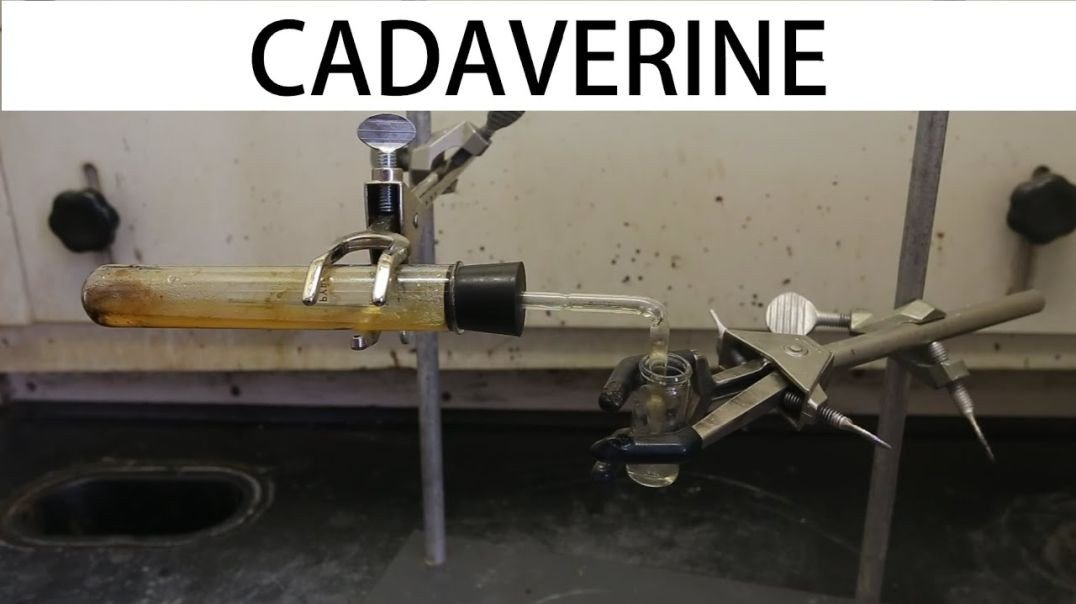
In my previous video I described how to extract acetylsalicylic acid from Aspirin tablets. In this video, I will be hydrolyzing ester bond in the acetylsalicylic acid to form salicylic acid.
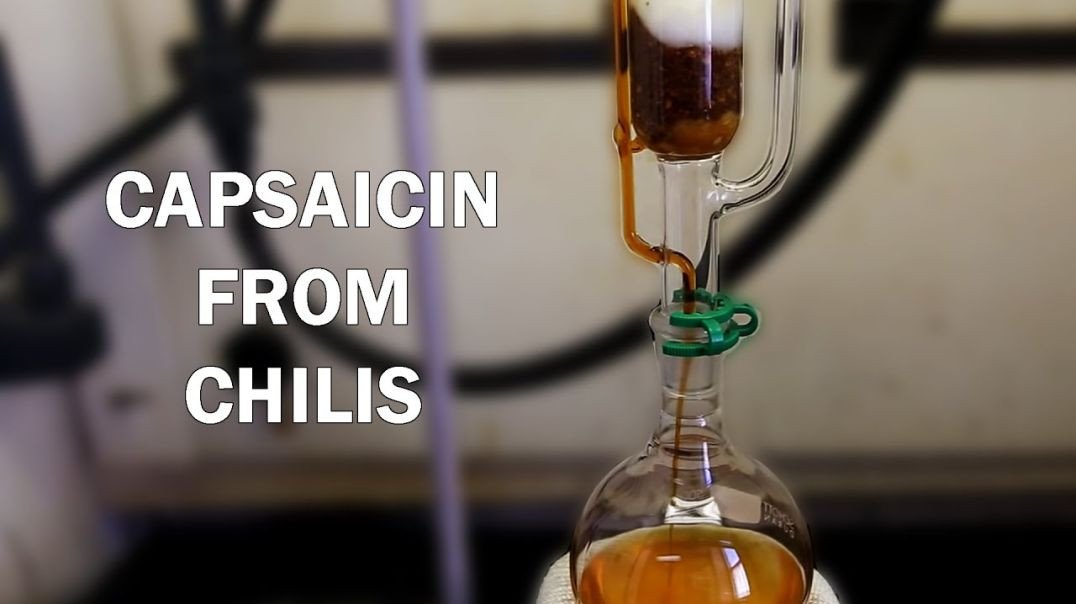
Capsaicinoids are interesting compounds with multiple, very different uses.
In this video I use a Soxhlet extractor to extract the capsaicinoids from Ghost Chili peppers.
-------------------------------------------------------------------------------
Merch - https://nilered.tv/store
-------------------------------------------------------------------------------
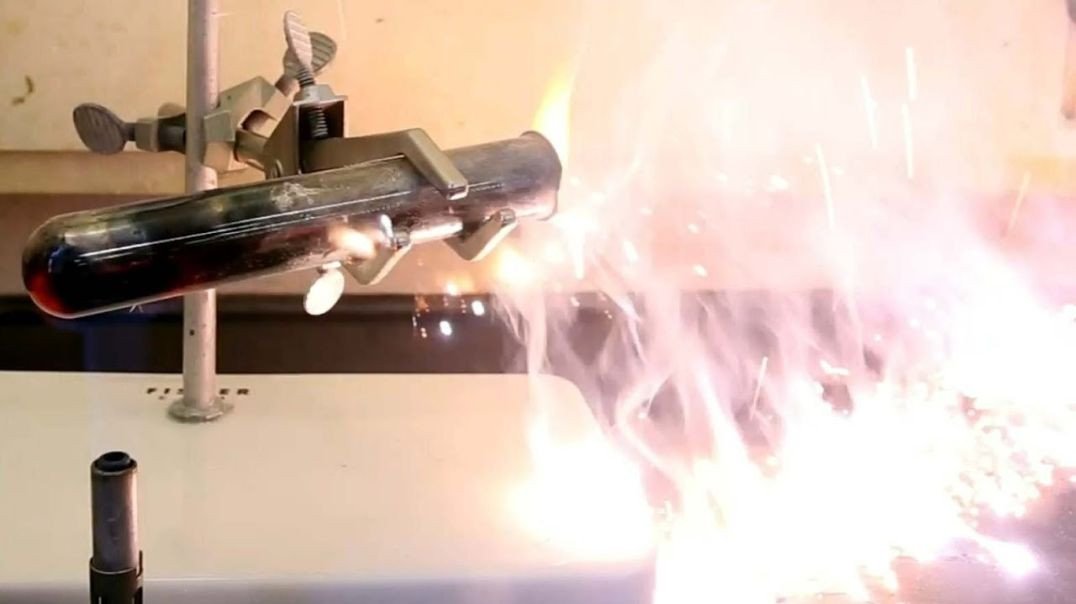
This is a short exert of my synthesis video: How to make Magnesium Silicide and Explosive Silane Gas.
5.3k
Warning: This experiment deals with dangerous and toxic chemicals.
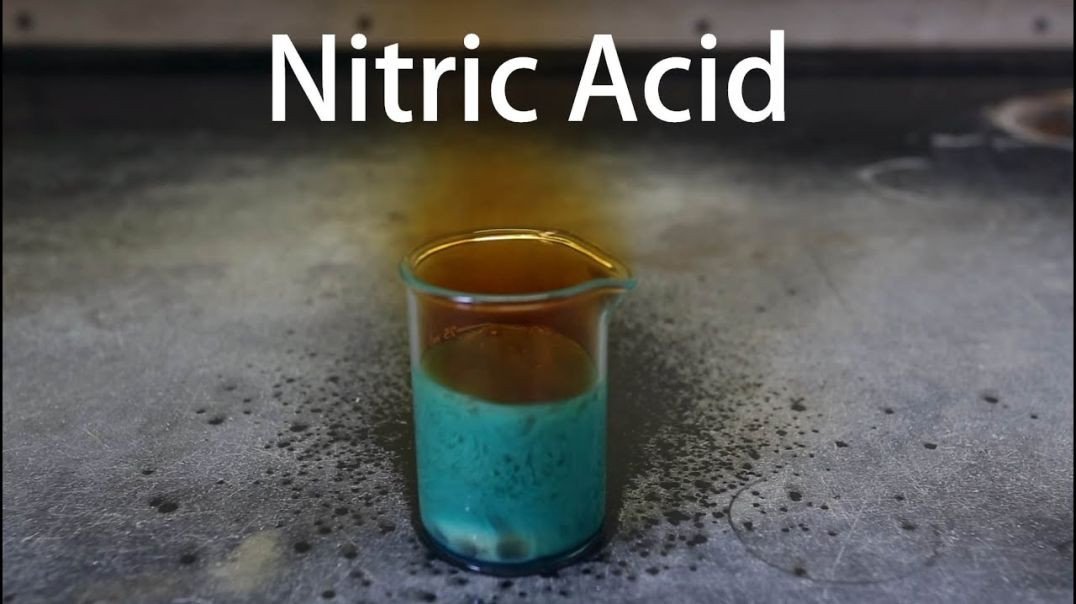
(Copied from the other nitric acid video)
Fuming nitric acid is defined as having a concentration of HNO3 greater than 86%. This is much higher than the conventional 68% of common lab nitric acid.
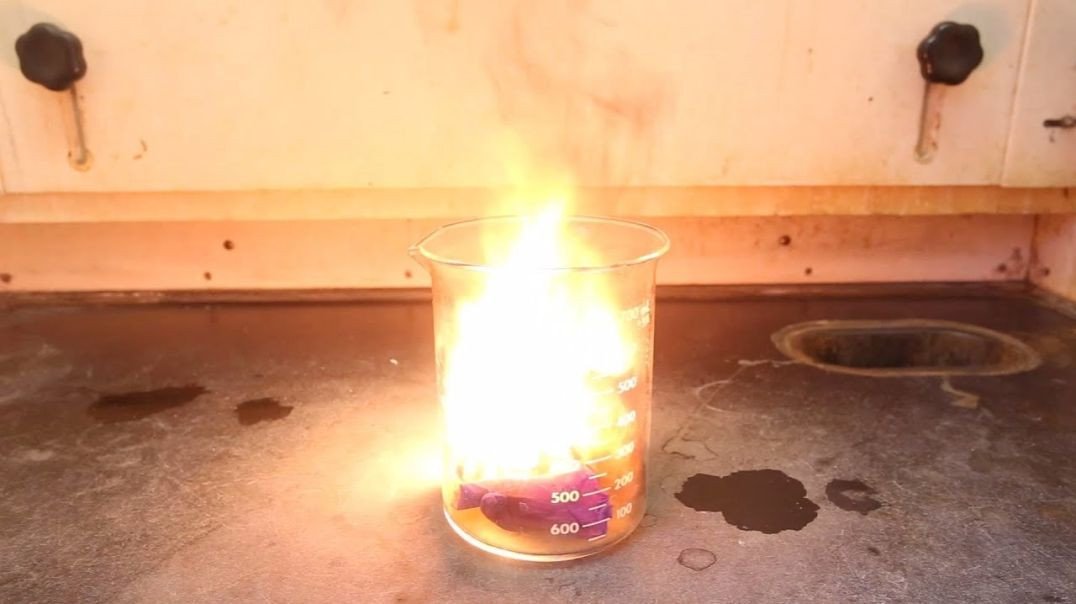
The reaction between the nitric acid and the nitrile and latex gloves is extremely exothermic and violent. It is often recommended to avoid using gloves altogether when working with fuming nitric acid unless resistant gloves are available (e.g. butyl rubber gloves or Ansell brand laminated film gloves which were suggested by user Atomosphysica). Regular concentrated nitric acid is still not good to use with latex gloves. Latex offers little to no protection. Nitric acid can quickly penetrate the glove and then irritate skin.
Fuming nitric acid is not nearly as common and it is used in much fewer reactions. For example, for the synthesis of high explosives. The high concentration of HNO3 is required in order to nitrate a molecule several times. For example, TNT, or tri-nitrotuluene, is prepared using fuming nitric acid. It is possible to di-nitrate it using concentrated nitric acid, but the third nitration is unlikely to occur, so yield will be zero or uselessly low.
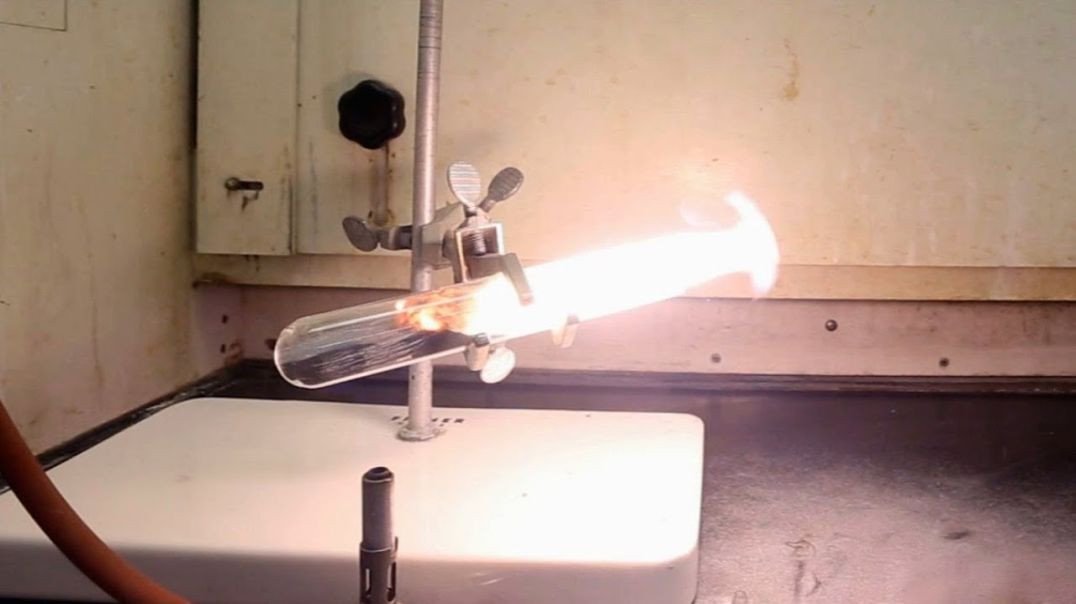
Warning: this experiment is dangerous and possibly explosive. Proper care must be taken.
Magnesium silicide reacts with HCl to produce silane gas. Silane gas is pyrophoric, which means that it spontaneously combusts in contact with air at temperatures below 54C. The silane gas erupts into flames when it contacts air and makes small popping noises.
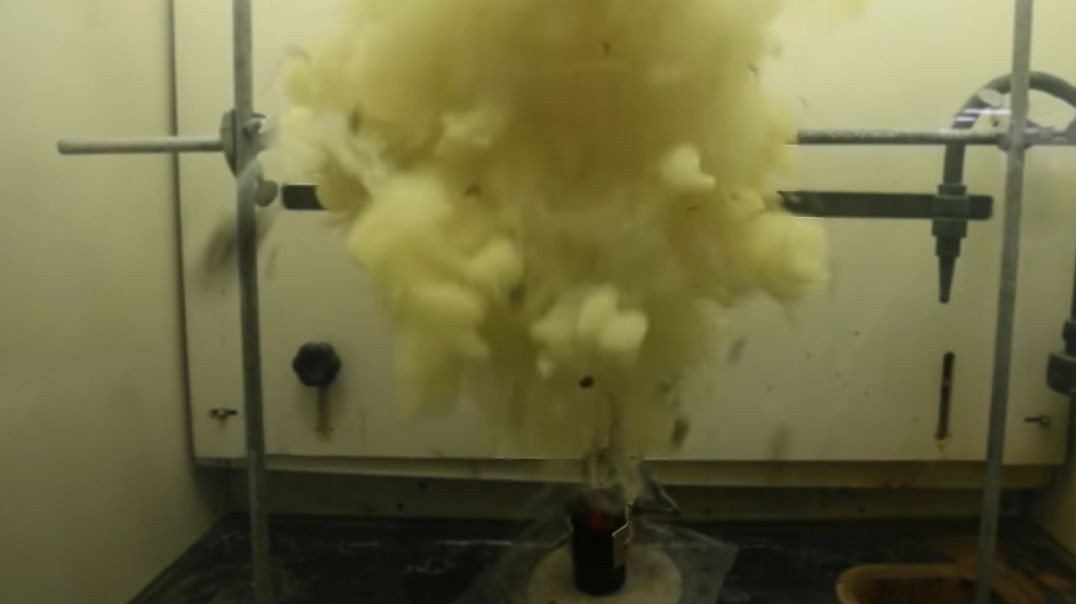
In this video, I will be synthesizing p-nitroaniline from acetanilide. This chemical is used mainly as a precursor for a dye, but it can also be used in an interesting reaction with sulfuric acid.
Note: My dehydration reaction did not work nearly as nicely as other videos. I just found however, a link explaining how the reaction should be carried out. Here is the link: http://firstyear.chem.usyd.edu.au/dem...
It suggests using much more sulfuric acid than I did and to stir the mixture.
Footage around 22s is taken from user plasticraincoat1: • EXP 1. Explosive Polymerization of p Nitro...
Fuming nitric acid is defined as having a concentration of HNO3 greater than 86%. This is much higher than the conventional 68% of common lab nitric acid.
The reaction between the nitric acid and the nitrile and latex gloves is extremely exothermic and violent. It is often recommended to avoid using gloves altogether when working with fuming nitric acid unless resistant gloves are available (e.g. butyl rubber gloves).
Regular concentrated nitric acid is still not good to use with latex gloves. Latex offers little to no protection. Nitric acid can quickly penetrate the glove and then irritate skin.
Fuming nitric acid is not nearly as common and it is used in much fewer reactions. For example, for the synthesis of high explosives. The high concentration of HNO3 is required in order to nitrate a molecule several times. For example, TNT, or tri-nitrotuluene, is prepared using fuming nitric acid. It is possible to di-nitrate it using concentrated nitric acid, but the third nitration is unlikely to occur, so yield will be zero or uselessly low.
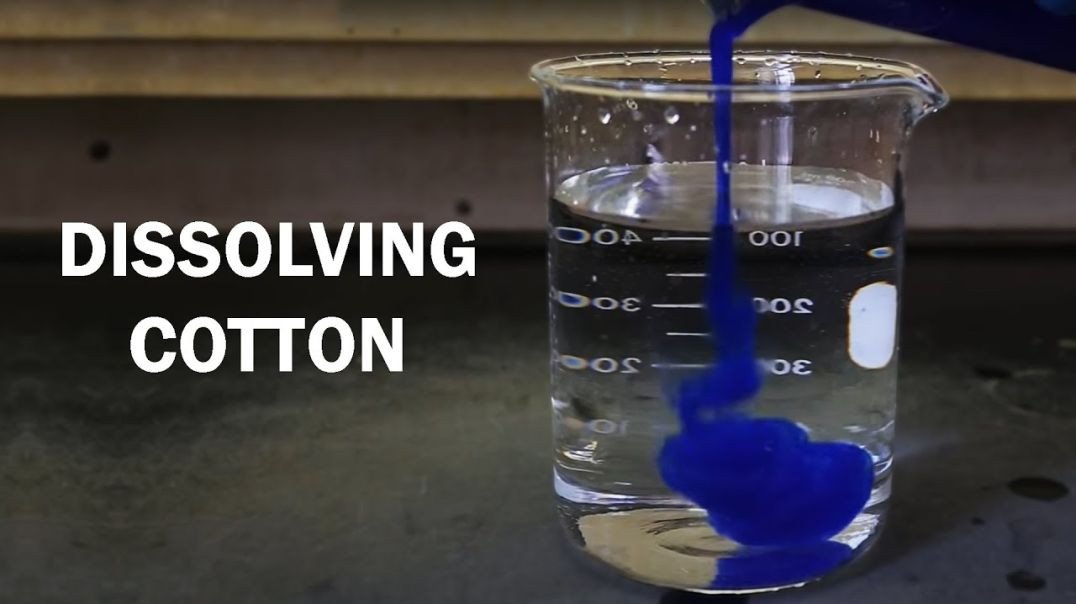
In this video, I will be showing you how to dissolve cotton (cellulose) using Schweizer's Reagent. I will then reconstitute the dissolve cotton.
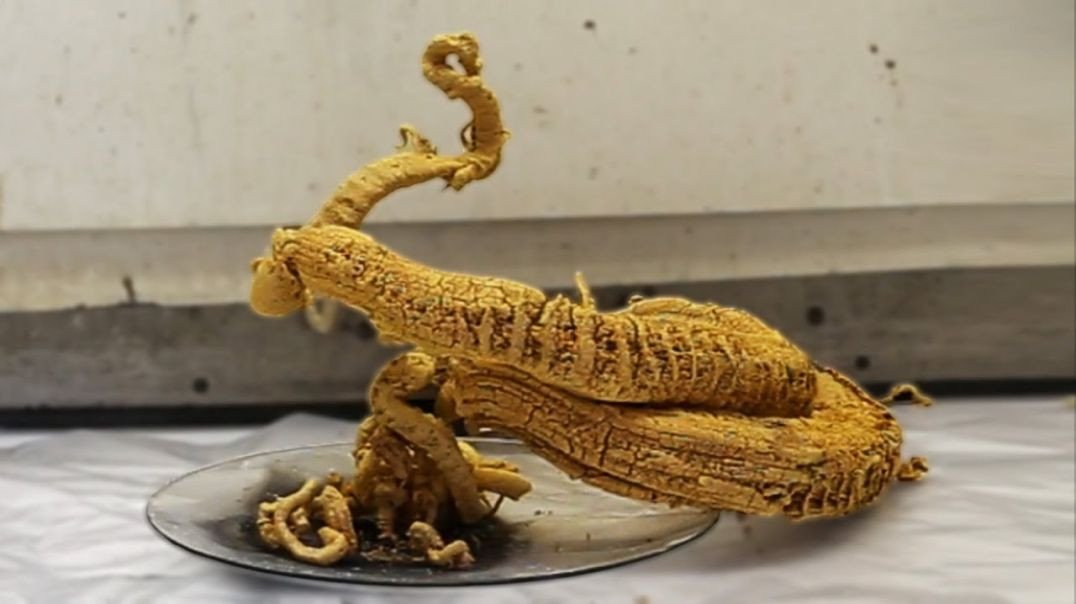
Warning: This experiments requires the handling of dangerous and volatile chemicals. It must only be carried out in a fumehood or outdoors.
All chemicals must be disposed of properly. Everything will be contaminated with mercury/mercury salts. NOTHING CAN GO DOWN THE DRAIN OR IN THE GARBAGE. Only carry out this experiment if you can dispose of the chemicals and combustion products properly.
Every step of this synthesis deals with dangerous or toxic materials. Gloves, safety glasses and a lab coat are mandatory.
Here is a video to show you how volatile elemental mercury is. It lets off a lot of vapor and breathing this must be avoided.
• Elemental Mercury Vapor Visualization
-------------------------------------------------------------------------------
Merch - https://nilered.tv/store
-------------------------------------------------------------------------------
Join the community:
Patreon - / nilered
Discord - / discord
NileRed Newsletter - https://nile.red/home#newsletter
You can also find me here:
Facebook - / nilered2
Instagram - / nile.red
Twitter - / nilered2
Nile talks about lab safety: • Chemistry is dangerous.